
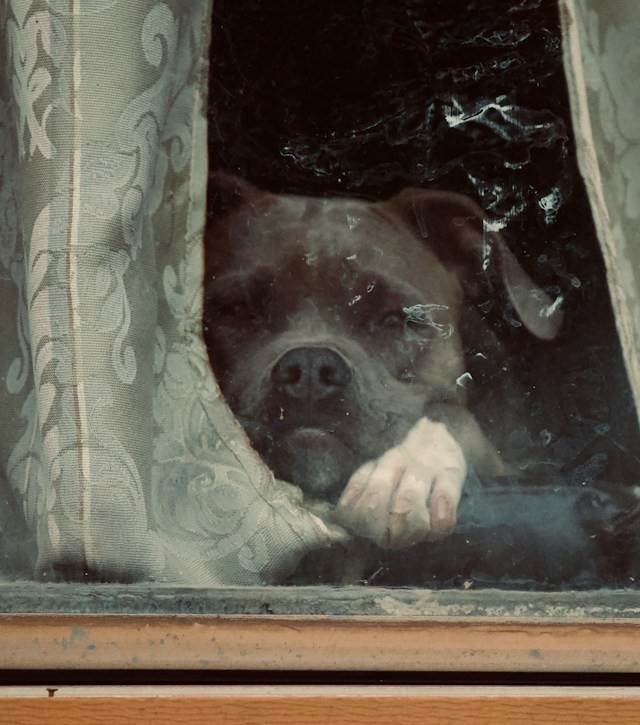
“Landlords can’t say no to pets anymore.” It sounds great. Unfortunately, it’s not quite true.
The new rental laws in England have strengthened tenants’ rights when it comes to requesting a pet, but they have not created an automatic right to keep a pet in every rental property.
So, can your landlord still refuse your dog, cat or other pet?
Yes in certain circumstances and here’s what you need to know.
What does the Renters’ Rights Act say about pets?
Under the Renters’ Rights Act 2025, tenants in England can make a request to keep a pet and landlords cannot unreasonably refuse that request.
For existing tenants, a landlord normally has 28 days to respond to a written pet request, although there are circumstances where that period can be extended.
The important word, however, is “unreasonably.” The law does not say that every landlord must accept every pet.
When can a landlord reasonably refuse a pet?
There isn’t one simple checklist covering every situation. Each request can depend on the property, the pet and any restrictions affecting the landlord.
However, there are circumstances where saying no may be reasonable.
- The building doesn’t allow pets
This is one of the biggest issues for renters, particularly those looking at flats.
Your landlord may be perfectly happy with your dog or cat, but the head lease, superior lease or freeholder may restrict pets within the building.
If allowing your pet would put your landlord in breach of a superior agreement, this can potentially provide reasonable grounds for refusal.
This is why “landlord accepts pets” doesn’t necessarily mean “building accepts pets.” Always check.
- The property may be unsuitable for the pet
A landlord could potentially argue that a particular property is unsuitable for a particular animal.
A large dog in a very small apartment with no appropriate access or outside space, for example, could raise different considerations from a house with a garden.
It shouldn’t simply be a case of “I don’t like pets.” The circumstances matter.
- Permission from someone else may be required
Sometimes a landlord cannot make the decision alone.
Consent may be required from a superior landlord or freeholder. The legislation provides for situations where a landlord needs to seek this consent.
So don’t automatically assume that your immediate landlord saying “I’ll have to check” means your request has been refused.
What if my landlord simply says “No Pets”?
Ask why. One of the significant changes is that a pet request shouldn’t simply disappear into a blanket “we don’t accept pets” response without proper consideration.
If your request is refused, ask for the reason in writing. You can then establish whether there is a genuine restriction, such as a head lease, or whether the decision may be open to challenge.
How can I make my pet request stronger?
Don’t make your landlord guess whether your pet is likely to cause a problem. Give them useful information.
A good pet request might include your pet’s age, breed and size, behaviour and training information, previous landlord references where available, and details of how the pet will be cared for.
A Pet CV can bring this information together in one easy document.
The objective isn’t to prove that every pet is perfect. It’s to give the landlord enough information to make an informed decision.
Found a property advertised as “pets considered”?
Don’t assume that means your pet has been approved.
Before committing money or progressing too far with an application, ask:
“Has the landlord and, where applicable, the building or freeholder confirmed that my specific pet is permitted?” That one question could save a lot of wasted time.
So, can my landlord say no to my pet?
Yes, but the new law means the answer shouldn’t simply be an automatic no.
There is no blanket “yes to pets” rule in England.
Equally, a blanket “no pets” approach may not be enough where a tenant has a legal right to make a request that must be properly considered.
The best approach?
Ask properly. Give good information. Get the answer in writing. And, with flats in particular, check the building rules as well as the landlord’s position.
Because when it comes to renting with pets, the small print can make a very big difference.
Already Found a Property?
If you’ve found the property but are worried about affordability, referencing or whether your application is as strong as it could be, don’t leave it to chance.
Our Rental Approval Service is designed for tenants who have already found a property and want to maximise their chances of securing it.
We’ll review your application, identify potential issues before they’re flagged by the referencing company, strengthen your affordability position where possible, and support you through negotiations with the letting agent or landlord if required.
In today’s competitive rental market, a stronger application can make all the difference.
Call to Action
If you’re planning to rent in the UK with a pet, start the right way.
The Rent Ready Service (With Pets) gives you the clarity, strategy, and confidence to compete in today’s market, before you lose time, money, or opportunities.
About the Author – Russell Hunt
Pets Lets Expert Insight
This article was written by Russell Hunt, co-founder of Pets Lets, a specialist service helping tenants secure pet-friendly property to rent in London and across the UK.
With more than 30 years of experience in the London property market, Russell works with tenants, landlords and estate agents to make renting with pets possible in practice, not just in theory. His work focuses on helping pet owners present strong applications, prepare properly for competitive markets, and navigate landlord concerns around pets.
Through Pets Lets, Russell supports UK tenants with pets as well as educates landlords with UK properties on the benefits of dog friendly rentals and cat friendly rentals in London and across the UK.
Russell also runs the community “Relocating to the UK with Pets”, helping thousands of members understand the realities of travelling to the UK with pets.
Learn more about pet-friendly renting advice and services at Pets Lets